
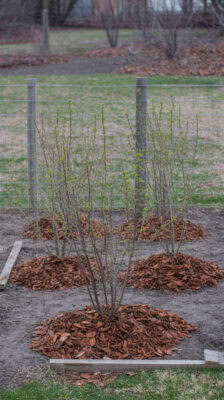

Spring is here, and if you’re lucky enough to have blueberry bushes in your yard, it’s time to give them the love they need to thrive. Blueberries are one of those beautiful plants that reward a little care with delicious, antioxidant-packed berries.
Plus, having your own blueberry patch saves you money at the grocery store and keeps you stocked with fresh summer treats. If you’re in Upstate New York, where the climate can be a little unpredictable in spring (hello, surprise frosts!), follow these simple, budget-friendly tips to keep your bushes happy and productive.

1. Start with Soil Prep
Blueberries are picky eaters, and by that, I mean they have very specific soil needs. They love acidic soil, with a pH between 4.5 and 5.5. To set your bushes up for success, test your soil first with a cheap pH test kit (you can grab one for under $10!).
If your soil isn’t acidic enough, don’t panic. You can mix in elemental sulfur or peat moss to lower the pH. These are affordable fixes and will keep your blueberries thriving long-term. Another frugal option is pine needle mulch, which adds organic matter and gradually acidifies the soil.
( For my locals, I LOVE getting my blueberry bushes in early spring from The Garden Factory- plus they have a year warranty)

2. Prune Like a Pro
Early spring — before your blueberry bushes start leafing out — is the best time to prune in Western New York. If you’ve never done it before, don’t worry… blueberry bushes are actually very forgiving.
Start by grabbing a pair of sharp hand pruners and your gloves. You don’t need fancy tools — just something clean and sharp.
Look for these first:
• Dead branches – These will look gray, brittle, and may snap easily. They won’t have any buds on them.
• Damaged or broken branches – Anything that was cracked by snow, ice, or wind should be removed.
• Thin, weak growth – Spindly little branches usually won’t produce good berries and just steal energy from the plant.
Next, focus on opening up the center of the bush. Blueberries don’t like being crowded. If you see branches crossing over each other or growing straight into the middle, trim a few of those out. This lets sunlight and air flow through the bush — which is huge for preventing mold and helping berries ripen evenly.
A good beginner rule:
👉 Aim to remove about 20–25% of the bush each year — you don’t need to go crazy.
Your goal is a bush that looks open, balanced, and easy to see through when you’re done. And yes — it may feel like you’re cutting too much at first, but a properly pruned blueberry bush will reward you with bigger, sweeter berries and stronger growth all season long.

3. Feed Them on a Budget
Blueberries aren’t heavy feeders, but they do appreciate a little snack in the spring. Look for an organic, acid-loving plant fertilizer, or make your own! Compost enriched with coffee grounds works well and costs very little. Fertilize your bushes just as new growth starts, but don’t overdo it. Your goal is to support healthy growth, not overwhelm the plant.
Pro Tip: Don’t use nitrogen-heavy fertilizers like those for lawns. Blueberries prefer slow-release nutrients that won’t burn their shallow roots.

4. Mulch, Mulch, Mulch
Mulching is one of the easiest and most cost-effective ways to care for your blueberry bushes. Add a 2-3-inch layer of organic mulch, such as wood chips, pine needles, or shredded leaves, around the base of the plant. This retains moisture, suppresses weeds, and slowly improves soil quality.
If you have access to free local mulch or shredded leaves from your yard, use it! Just make sure not to pile it too close to the trunk, as this can cause rot.

5. Watch for Frosts
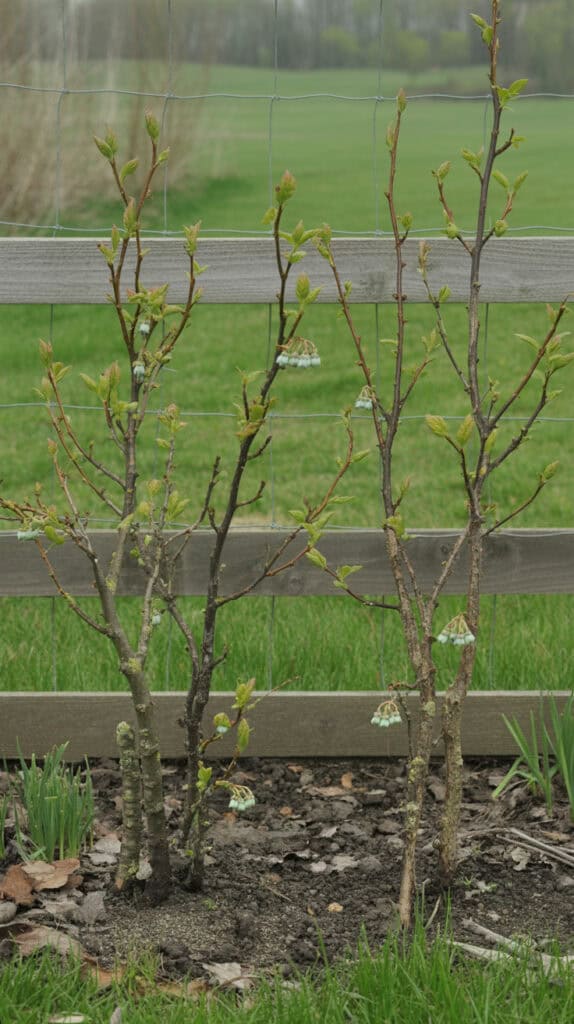
Ah, Upstate New York. When you think spring has arrived, Mother Nature likes to throw in a late frost or two. Blueberry bushes can handle cold fairly well, but their buds and blossoms are more delicate. If frost is forecast, cover your bushes with an old sheet or tarp in the evening and remove it in the morning.
For smaller bushes, you can even use an empty milk jug with the bottom cut out as a mini greenhouse for extra frost protection. It’s free, and it works like magic!
6. Water Wisely
Blueberries have shallow roots and need consistent moisture, especially when they start leafing out in spring. However, soggy soil is a no-go. If you’re on a budget, skip fancy irrigation systems and water manually. Use a soaker hose or even a repurposed plastic bottle with small holes poked in the side for slow, steady watering.
Try to water in the morning so the soil has time to dry a bit before evening. This prevents root rot and other water-related issues.

7. Encourage Pollinators
Want more berries without spending extra money? Make your yard a pollinator paradise. Plant bee-friendly flowers, such as wildflowers or lavender, nearby to attract bees. Even a pot of marigolds can help draw pollinators to your blueberry bushes. No bees, no berries!
8. Patience Pays Off
If your bushes are new, resist the temptation to harvest during their first year or two. I know it’s hard, but letting the plants establish strong roots will pay off with bigger harvests for years to come. Think of it as an investment in future pie-making sessions!
Final Thoughts
Caring for blueberry bushes in spring doesn’t have to be expensive or complicated. With a little planning and some DIY spirit, you can set your bushes up for a productive season. Upstate New York might keep us on our toes with its weather, but with these tips, your blueberries will come through like champs.
Whether you’re dreaming of fresh berries straight from the bush, homemade blueberry jam, or just saving some money at the store, a little care now will go a long way. Happy gardening, and may your blueberries be bountiful!
Got any budget-friendly blueberry tips of your own? Drop them in the comments—I’d love to hear how your bushes are blooming!
 10 Trending Indoor Plant Ideas (Plus How to Keep Them Pest-Free Naturally)
Leave a Reply