


Say goodbye to chemical sprays — your garden can do the work for you.
If you’ve ever tried to enjoy your porch on a summer evening only to get eaten alive, you already know the struggle. Mosquitoes are relentless, and while store-bought repellents work, they’re full of chemicals and expensive.
Nature has your back. There’s a whole lineup of beautiful, useful plants that deter mosquitoes, and many of them double as fly repellents, stink bug repellents, and all-around insect-repelling powerhouses.
Let’s dig in.
Why Use Plants to Repel Mosquitoes?
Before we get to the list, here’s the deal: most insect-repelling plants work because of the natural oils and compounds in their leaves. These scents are lovely to us but deeply offensive to mosquitoes, flies, and other pests. The key is to crush or brush the leaves to release those oils — just having the plant sitting pretty won’t do as much as giving the leaves a little rub.
This makes them perfect for patios, container gardens, walkways, and any outdoor space you spend time in. They’re a completely DIY mosquito repellent for your yard that costs almost nothing once established.
12 Insect-Repelling Plants to Grow This Season

1. Citronella Grass
You’ve probably seen citronella candles — but the real deal is the citronella plant itself (Cymbopogon nardus). This is the actual source of that iconic mosquito-repelling scent. It’s a tall, clumping grass that loves full sun and warm weather. In colder climates, grow it in containers so you can bring it indoors over winter.
Bonus: It also repels flies, gnats, and other flying insects.
Best for: Large pots on patios, sunny garden borders.

2. Lavender
Lavender is one of those dream plants — it’s gorgeous, smells incredible to humans, and is absolutely repulsive to mosquitoes, flies, fleas, and moths. Plant it along pathways or in pots near your seating area. Dry the flowers and hang them indoors to keep bugs out of the house, too.
Best for: Borders, raised beds, containers, and dried bundles inside.

3. Lemon Balm
Lemon balm (Melissa officinalis) contains high levels of citronellal — the same compound that makes citronella so effective. Rub a few leaves on your skin for a quick homemade mosquito repellent that’s completely natural. Fair warning: lemon balm spreads like crazy, so container planting is your best bet.
Best for: Containers, herb gardens, quick DIY bug spray.

4. Catnip
Studies have shown that catnip (Nepeta cataria) can be even more effective than DEET at repelling mosquitoes. The active compound, nepetalactone, sends mosquitoes packing fast. It’s easy to grow, nearly impossible to kill, and your cats will love you for it.
Best for: Containers (it spreads!), garden borders, natural yard sprays.

5. Basil
Here’s one that earns its place in both the kitchen and the garden. Basil is a fantastic plant that repels flies and mosquitoes, making it one of the most useful plants that repel flies you can grow. Keep a pot by your back door, near the grill, or on the picnic table. It works passively and releases more scent in the heat — perfect timing for those summer cookouts.
Best for: Pots near doors, kitchen gardens, outdoor dining areas.

6. Marigolds
Marigolds are the garden workhorse of pest control. They contain pyrethrum, a compound used in many commercial insecticides, and they repel mosquitoes, aphids, whiteflies, and more. Plant them around the border of your garden or in containers around your patio for a cheerful, low-maintenance insect barrier.
Best for: Garden borders, container groupings, patio edges.
7. Mint
Mint is another spreadable menace — in the best possible way. Its strong scent confuses and repels mosquitoes, flies, ants, and even stink bugs, making it one of the top stink bug repellent plants you can grow. Keep it in containers to control spreading. Bonus: it makes amazing tea, cocktails, and homemade mint sprays.
Best for: Containers near entryways, around windows, as a border plant in pots.
8. Rosemary
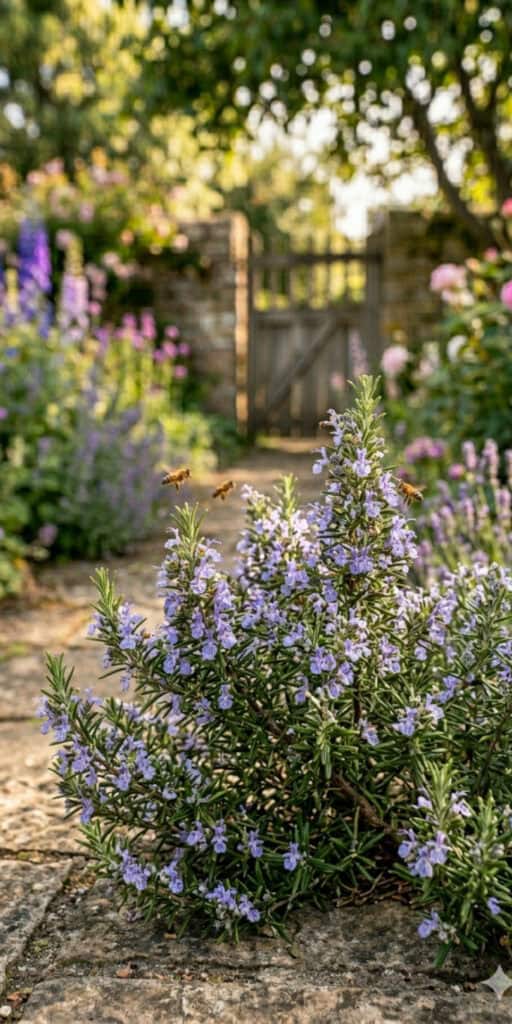
Rosemary does triple duty: it’s a culinary herb, a beautiful ornamental plant, and a natural mosquito and fly deterrent. Burn a few sprigs on the grill or in a fire pit to create a DIY mosquito repellent for your yard that works while you cook. In warm climates, rosemary grows into a substantial shrub that serves as a living insect barrier.
Best for: Grilling areas, sunny borders, large containers.
9. Pennyroyal
Pennyroyal (Mentha pulegium) is one of the most powerful insect-repelling plants you may have never heard of. It’s been used for centuries to repel mosquitoes, fleas, and flies. Crush the leaves and rub them on your skin, or scatter them around your seating area. Note: Keep pennyroyal away from pets and children — it’s potent stuff and can be toxic if ingested in large amounts.
Best for: Experienced gardeners, borders, around livestock areas.

10. Geraniums (Scented)
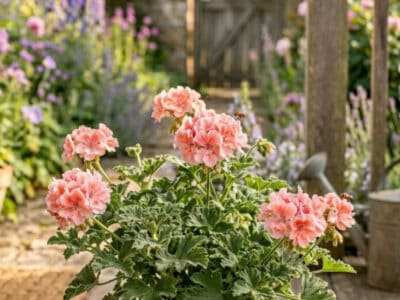
Scented geraniums — especially the lemon-scented variety (Pelargonium citrosum) — are marketed specifically as mosquito-repelling plants for containers and patios. They’re beautiful, easy to care for, and thrive in hanging baskets or window boxes. They won’t clear your whole yard of mosquitoes, but they add real repelling power right where you’re sitting.
Best for: Hanging baskets, window boxes, patio containers, mosquito repelling plants patios setups.

11. Sage
Toss fresh sage into a fire pit or outdoor fire bowl and you’ve got instant, aromatic mosquito control. Sage has strong natural oils that repel mosquitoes and flies when burned. Grow it alongside rosemary and lavender for a full sensory — and pest-repelling — herb corner.
Best for: Fire pits, outdoor kitchens, herb gardens.

12. Alliums (Garlic, Chives, Onions)
The allium family — garlic, chives, ornamental onions — are powerfully pungent plants that insects want nothing to do with. They’re especially useful as plants that deter mosquitoes when planted throughout a vegetable garden. Garlic can even be made into a simple spray by steeping crushed cloves in water overnight.
Best for: Vegetable gardens, borders, DIY garlic spray.

How to Get Rid of Mosquitoes in Your Yard: A Plant-Based Strategy
If you want to know how to get rid of mosquitoes in your yard using plants, the key is strategic placement. Here’s a simple approach:
- Border the patio with citronella, marigolds, and lavender
- Line pathways with lemon balm, mint (in containers), or catnip
- Grow basil and rosemary near doors and outdoor dining areas
- Add scented geraniums to hanging baskets and window boxes
- Use sage and rosemary near fire pits for smoke-based repelling
For a quick DIY mosquito repellent for yard use, blend or crush any combination of these plants and steep them in water overnight. Strain and pour into a spray bottle. Spray around seating areas, on outdoor furniture, and along garden edges. Reapply after rain.

Growing Mosquito-Repelling Plants in Containers
Don’t have a big yard? No problem. Mosquito repelling plants in containers are just as effective — and actually easier to position right where you need them. Most of the plants on this list thrive in pots:
- Use 6–12 inch pots for herbs like basil, mint, and lemon balm
- Go larger (14–16 inch) for citronella grass and lavender
- Group 3–5 plants together on your porch or patio for maximum effect
- Bring tender plants like citronella and scented geraniums indoors before frost
The beauty of container planting is that you can move your “bug barrier” wherever you need it most — near the grill, the kids’ play area, or the outdoor dining table.
Final Thoughts
You don’t need to douse yourself in DEET or spend a fortune on yard sprays. With a little planning and a few well-placed pots, you can build a beautiful, functional garden that naturally repels mosquitoes. Most of these plants are inexpensive, easy to propagate, and do double duty as culinary herbs, cut flowers, or pollinator magnets.
That’s the frugal farmgirl way — work smarter, not harder, and let nature do the heavy lifting.
Have a favorite mosquito-repelling plant we missed? Drop it in the comments below!
 10 Easy Outdoor Party Foods on a Budget
Leave a Reply