


Table of Contents[Hide][Show]
If you’ve ever stood in your backyard (or side yard… or tiny patio) and thought, “I don’t even know where to start,” you are not alone.
For years, I thought you needed acreage to grow real food. Turns out — some of my most productive gardens have been the smallest ones.
If you’re brand new to growing your own food, you might also enjoy my step-by-step guide on how to start homesteading on a budget, which walks through the simplest ways to start growing food without spending a fortune.
Now that we have acreage, I’m starting to think you get overwhelmed and feel you can have all these gardens, but realistically, it’s very hard to manage multiple gardens.
Whether you’re working with a narrow side yard, a fenced-in suburban backyard, or just a sunny patio, the right garden layout can mean the difference between a thriving vegetable patch… and a tangled mess that makes you want to give up by July.
Let me show you what actually works.

Why Your Garden Layout Matters More Than Yard Size
A bad layout wastes space, creates overcrowding, and makes simple things (like watering and harvesting) feel frustrating.
A good — dare I say perfect — garden layout does three important things:
- Makes your space feel organized and calm
- Increases how much food you can grow
- Saves your back, your time, and your patience
You don’t need more land.
You need a better plan.

The Best Garden Layout Styles for Small Spaces

Square Foot Gardening Layout (My #1 Recommendation)
This is hands-down the easiest layout for beginners.
You divide your raised bed into square sections and plant specific crops in each square. It keeps things neat, prevents overcrowding, and helps you know exactly what goes where.
Why it’s perfect for small yards:
- Grows a lot of food in little space
- Easy to maintain
- Looks tidy (which your HOA might appreciate 😉)
This layout is ideal if you want a small veggie garden that actually feels manageable.

Row Garden Layout (Great for Long, Narrow Yards)
If your space is more “bowling alley” than backyard, rows are your friend.
I’ve used this layout along fences and side yards where I had more length than width. Rows are simple, traditional, and make it easy to:
- Walk between plants
- Install trellises
- Harvest without stepping on your soil
It’s a great option for small vegetable garden design in backyards with awkward shapes.

Raised Bed Grid Layout (Pinterest-Worthy & Practical)
Raised beds with clean walking paths are both beautiful and functional.
They’re perfect for:
- Keeping weeds under control
- Making watering easier
- Creating a calm, organized garden you actually enjoy being in
This style fits right into most small garden plans layout designs and works beautifully for family gardens.

Container & Patio Layout (Perfect for Renters)
No yard? No problem.
Containers let you grow tomatoes, peppers, herbs, and lettuce right on your deck or patio.
I’ve grown entire summer meals in pots alone.
If you have sun — you can garden.
Beginner Garden Layouts That Are Hard to Mess Up
If you’re brand new, don’t overthink it. Start with one of these:
4×4 Raised Bed (Beginner Favorite)
- 1 tomato
- 1 pepper
- 2 lettuce
- 2 herbs
4×8 Raised Bed (Family Starter Garden)
- Tomatoes
- Cucumbers
- Beans
- Zucchini
- Basil
These are simple, forgiving, and produce real food — not just “practice plants.

How to Design the Perfect Garden Layout for Your Yard
Here’s my simple method:
- Measure your space
- Choose your layout style
- Pick 5–7 crops you actually eat
- Put tall plants in the back
- Leave walking paths
- Don’t overplant
This keeps your best garden layout productive and peaceful instead of chaotic.
Common Small Garden Layout Mistakes (And How to Fix Them)
| Mistake | What to Do Instead |
|---|---|
| Planting too much | Start small and add next year |
| No walking paths | Always leave room to walk |
| Forgetting sun direction | Tall plants go north/back |
| No vertical growing | Use trellises to save space |
Budget Tools I Actually Use in My Garden
- Raised bed kits
- Garden kneeler bench
- Vertical trellises
- Seed starting trays
- Simple grow lights for early starts
You Don’t Need a Farm to Grow Food
Some of the most productive gardens I’ve ever grown fit into spaces smaller than a parking spot.
You don’t need perfection.
You just need a simple plan — and permission to start.
Small gardens can feed your family, lower your grocery bill, and give you that peaceful “I grew this” feeling that never gets old.

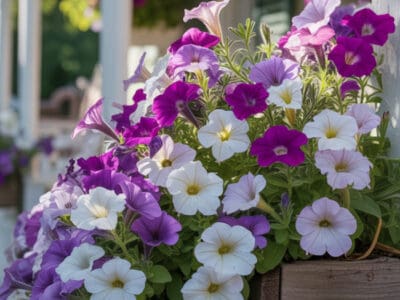
 8 Container Plants for People Who Forget to Water (No Guilt Gardening)
You have great advice! Especially for beginners! I wish I would’ve stumbled across your blog in my early garden days. Your instructions are clear and practical. I like that you explain the “why” behind your advice (i.e. “ This keeps your best garden layout productive and peaceful instead of chaotic.”) You’ve gained a new follower in me! Xo
Aww thanks so much!I appreciate that. Lots of years of experience here, and still learning new things daily.