


Table of Contents[Hide][Show]
A Beginner’s Guide to Sweet Berries, Easy Care & Bigger Harvests
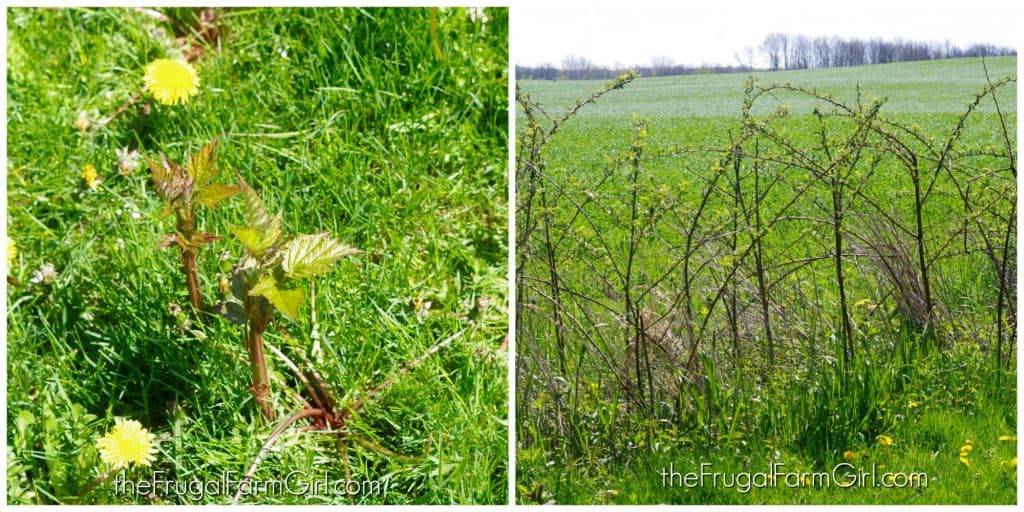
Every March I start pacing the yard, staring at those thorny raspberry canes like we’re old friends waking up from winter.
Some years, they look messy and wild.
Some years, I worry I ruined them with my pruning.
And every July, they prove me wrong by handing us bowls of warm, sun-sweet berries anyway.
If you’re thinking about growing raspberries—or you already have a patch that feels a little out of control—let me tell you the truth: raspberries are one of the most forgiving fruits you can grow. You don’t need to be an expert gardener to get a good harvest.
Here’s what twelve years of trial, error, and stained purple fingers have taught me.
Why Raspberries Are the Best “Beginner Fruit”
- They come back every year on their own
- They tolerate imperfect soil
- They multiply for free
- Kids will actually eat them
- You can ignore them for weeks, and they still produce
If you want a homestead crop that makes you feel successful fast, raspberries are it.

Plant Them Where You’re Okay With a Little Chaos
This is the #1 thing I wish someone had told me:
Raspberries do not stay polite and tidy.
They send up new canes every year and will happily wander into the lawn, the flower bed, and places you never invited them.
That’s not a bad thing—free plants!—but plan accordingly.
Best spots for raspberries:
- Along a fence line
- The back edge of the yard
- A dedicated “berry row.”
- Anywhere you can mow around easily
- Also in our area, black raspberries are all over growing on their own. They seem to love to be near pine trees, too!
If space is tight, be ready to prune runners every spring.

The Simple Way to Prune (Without Fear)
Pruning raspberries sounds complicated online, but here’s the real-life version:
If you want ONE big fall harvest:
- Cut ALL canes to the ground after fruiting.
- New canes grow in spring and fruit that same year.
If you want summer berries every year:
- Remove the old gray canes after harvest
- Leave the fresh green canes for next season
- Thin to 3–6 strong canes per foot of row
You really can’t “ruin” them. I’ve pruned wrong plenty of times and still got berries.
Ready to make jam? Read how here .

Raspberries Freeze Like a Dream
This is why they’re my favorite fruit to grow.
- No blanching
- No fancy equipment
- Just rinse, dry, and spread out on a cookie sheet, then toss in the freezer for a couple of hours. Then slide them off the tray and toss them in freezer-safe bags.
In January, when berries cost a fortune, you’ll feel rich pulling out your own stash for:
- smoothies
- pancakes
- muffins
- teething toddlers
- hot summer popsicles
Even the chickens get a few as treats.

Pick Early (Trust Me on This)
We learned the hard way that:
- Bees wake up fast
- Hot berries get mushy
- Cool morning berries last longer
If a berry doesn’t slip off with a gentle tug—leave it. Raspberries don’t ripen after picking.
Keep an Eye Out for Problems
Most years raspberries are easy, but watch for:
- Orange rust
- Crumbly berries
- Yellowing leaves
- Weak, spindly canes
Treat issues early because patches spread fast. A small problem in May can be a jungle by July.
Don’t Plant Them Near Tomatoes
This one surprised me too.
Tomatoes, peppers, potatoes, and eggplant can harbor root rot that harms raspberries. If those grew in that soil recently, pick a different spot.
Bonus: Natural Deer Deterrent
Those prickly canes are like nature’s fence.
Deer avoid them, and my free-range chickens love scratching through the patch safely.
My Honest Encouragement
If you’ve been nervous to try growing raspberries, start this year.
You don’t need perfect rows.
You don’t need fancy fertilizer.
You don’t even need to know what variety you have.
Plant them, water them, pick them, and enjoy them. The rest you’ll learn as you go—just like the rest of us frugal farm girls.
Related Reads You’ll Love
- Simple Tips for Freezing Fresh Produce
- 10 Facts You Didn’t Know About Raspberries
- Chicken Coop Gardening Ideas
- How to Start Homesteading on a Budget
- Backyard Gardening for Beginners

 Garden Layout Ideas for Small Spaces (That Actually Work for Real Life Backyards
Deer in my area eat my raspberry plants.
Thanks for making it seem simple, to not be as intimidated by many sticks 🥹
Of course!
Thank you for sharing. Helps me relax a little bit.
My stalks get too spindly!!! Really long and weak towards the end where the berries come???
Are you cutting back each fall?