
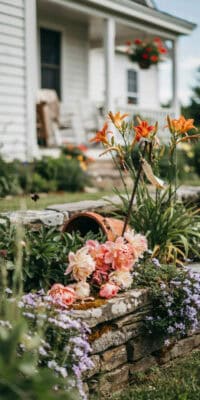

Some plants have been around so long because they simply refuse to give up. Here’s your guide to the toughest, most beautiful flowers of Grandma’s garden.
Do you remember the flowers? Not the ones from a fancy nursery in perfectly labeled pots — the ones that were just there. Every spring, without fail, poking up through the cold ground before you even thought about gardening. The ones that survived drought, neglect, bad soil, and decades of harsh winters without a single complaint.
Those were Grandma’s flowers. And here’s the thing nobody tells you: they weren’t thriving because grandma had a green thumb. They were thriving because she chose plants that wanted to grow.
That’s the real secret. And it’s one of the most frugal gardening decisions you can make — because a plant that comes back on its own every year, spreads without help, and laughs at drought is a plant you never have to replace.
Let’s talk about the flowers your grandma grew that are almost impossible to kill.
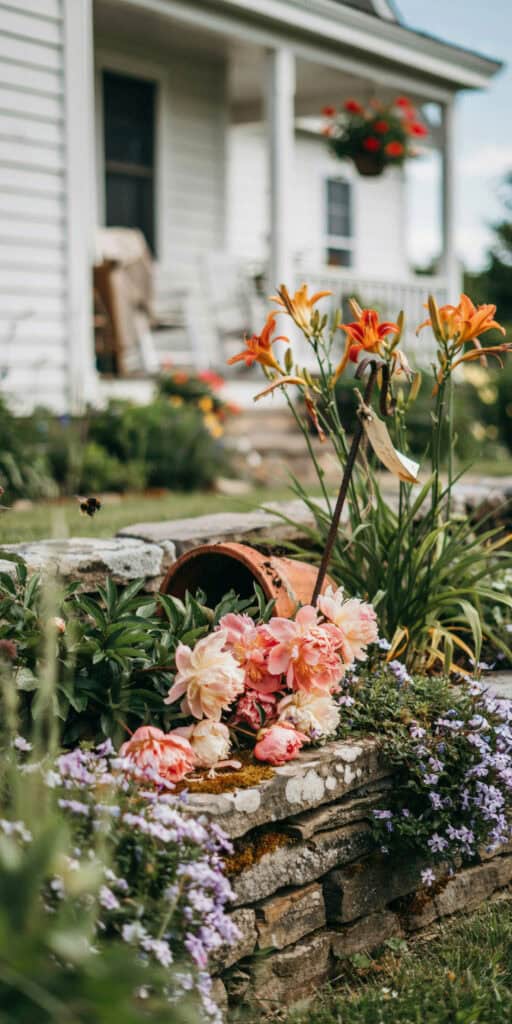
Why Grandma’s Flowers Were Always So Hardy
Here’s something worth understanding before we dig into the plant list: the flowers Grandma grew weren’t chosen randomly. They were chosen by time.
The plants that ended up in grandma’s garden were the survivors — the ones that made it through bad years, were passed between neighbors, divided and replanted across generations, and still showed up every spring without being asked. Nobody kept growing a plant that died every winter. The ones that stuck around did so because they earned it.
That’s also why so many of these plants have old-fashioned names and an almost nostalgic feel. They’ve been in American cottage gardens for a century or more. They predate synthetic fertilizers, automatic irrigation, and garden centers on every corner. They grew because the soil, the rain, and the sun were enough.
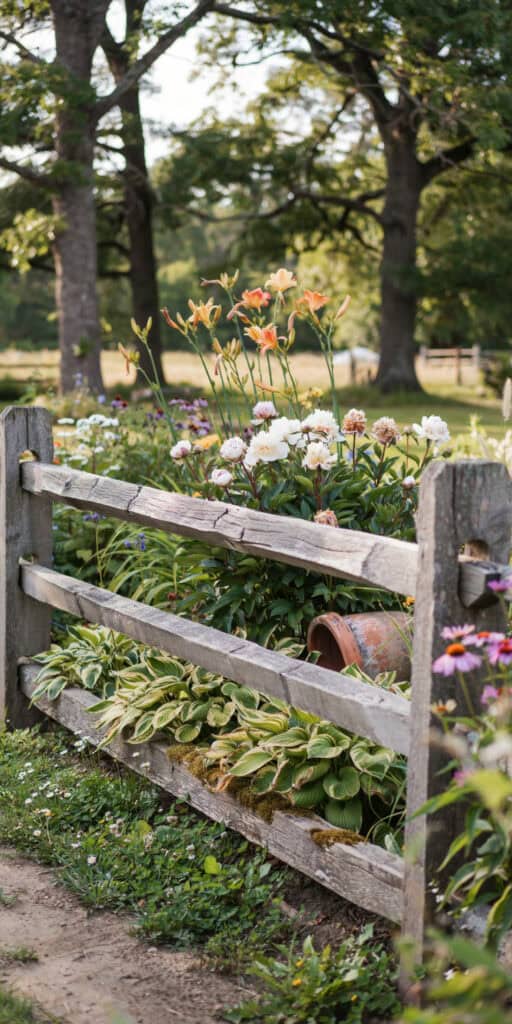
For the frugal gardener, that history is your best friend. These plants don’t need babying. They don’t need expensive soil amendments or weekly feeding schedules. They just need to be planted in the right spot and left alone.
If you’ve been building out your garden with low-maintenance plants in mind, these pair beautifully with the perennials covered in the 7 Stunning Full Sun Perennial Garden Designs post — many of grandma’s classics overlap perfectly with that list.
Peonies — The Plant That Outlives Everyone
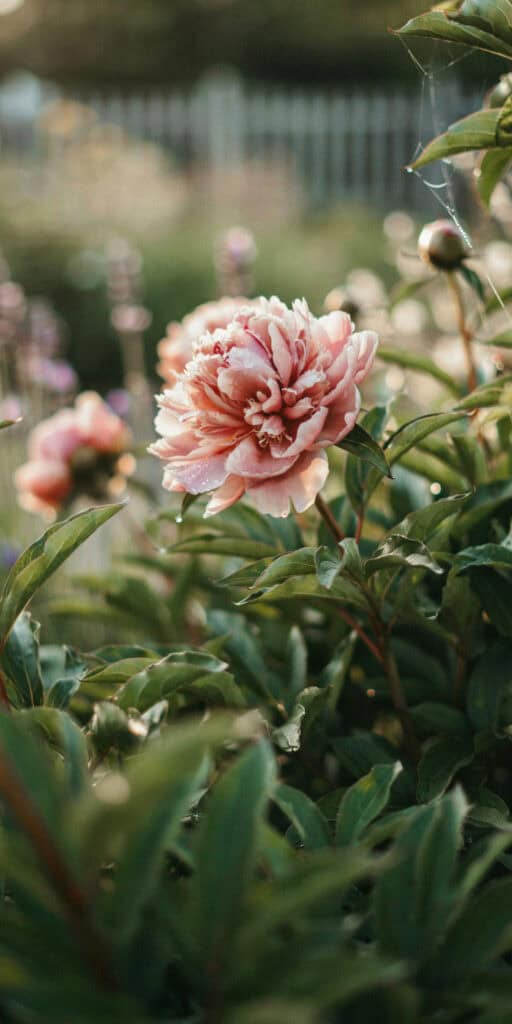
If there is one flower that defines grandma’s garden more than any other, it’s the peony.
Peonies are famous for their absurd longevity. There are peony plants alive today that were planted over 100 years ago. They don’t just survive — they thrive, decade after decade, in the same spot, without being divided or moved or fussed over. Plant one in the right spot and it will genuinely outlast you.
Why they’re almost impossible to kill:
- Extremely cold hardy (zones 3-8)
- Drought-tolerant once established
- Virtually pest and disease-free
- Don’t need dividing for decades
- Get better with age, not worse
What they need: Full sun, well-drained soil, and to be planted with their eyes (the red buds) no more than 1-2 inches below the soil surface. Plant them too deep, and they won’t bloom — that’s the one mistake people make.
The frugal angle: Buy bare-root peonies in the fall when they’re cheapest (often $8-15 each). They take 2-3 years to really hit their stride, but once they do, you will never spend another dollar on them. Ever.
Bonus: They make the most extravagant cut flowers imaginable. A single peony bloom in a mason jar is better than any grocery store bouquet.
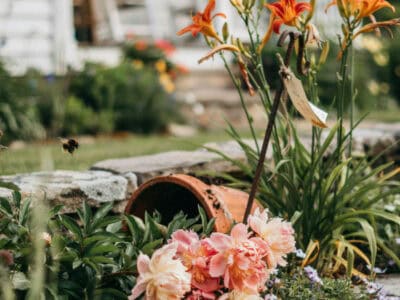
Daylilies — The Flower That Multiplies Itself
If peonies are the queen of grandma’s garden, daylilies are the workhorse.
You’ve seen them everywhere — along roadsides, at the edges of old farmhouses, tumbling down ditches in July. That ubiquity is not an accident. Daylilies spread. They multiply quietly underground every year, slowly filling more and more space until you have a colony that looks like it’s always been there.
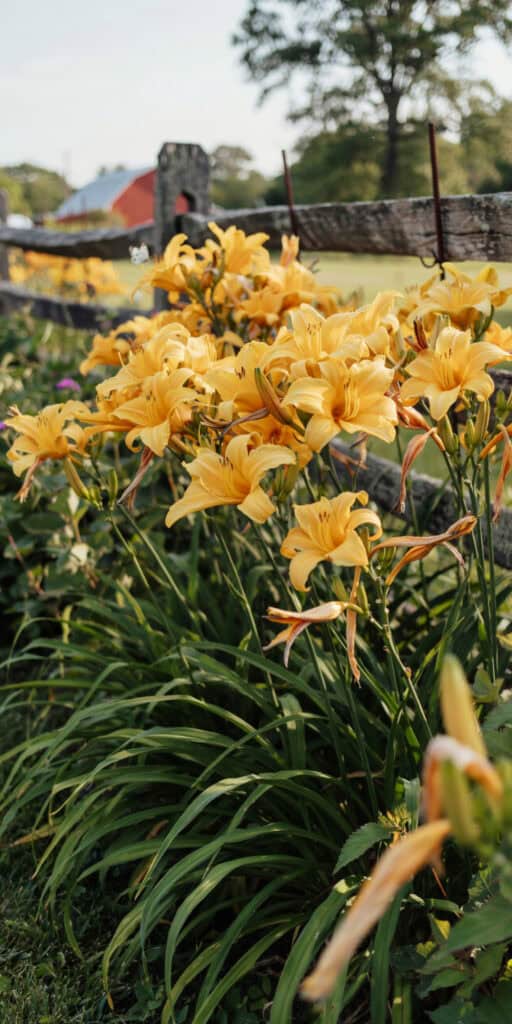
Why they’re almost impossible to kill:
- Tolerate poor soil, clay, sand, and everything in between
- Extremely drought-tolerant once established
- Spread naturally without any help
- Bloom reliably every year with zero intervention
- Deer resistant (a huge bonus if you’re in a rural area — check out the full deer resistant landscaping guide for more plants that hold their own)
What they need: Sun to part shade. That’s genuinely about it. They prefer well-drained soil but will tolerate a lot. Divide clumps every 4-5 years to keep them vigorous and to share with friends.
The frugal angle: Daylilies are one of the easiest plants to get for free. Post in a local Facebook garden group or ask any neighbor with an established clump — they’ll be thrilled to share divisions in spring or fall.
A note on “ditch lilies”: The classic orange daylily you see growing wild everywhere (Hemerocallis fulva) is essentially indestructible. If you want something a little more refined, look for named varieties in colors ranging from pale yellow to deep burgundy — they’re just as tough but a bit more elegant.
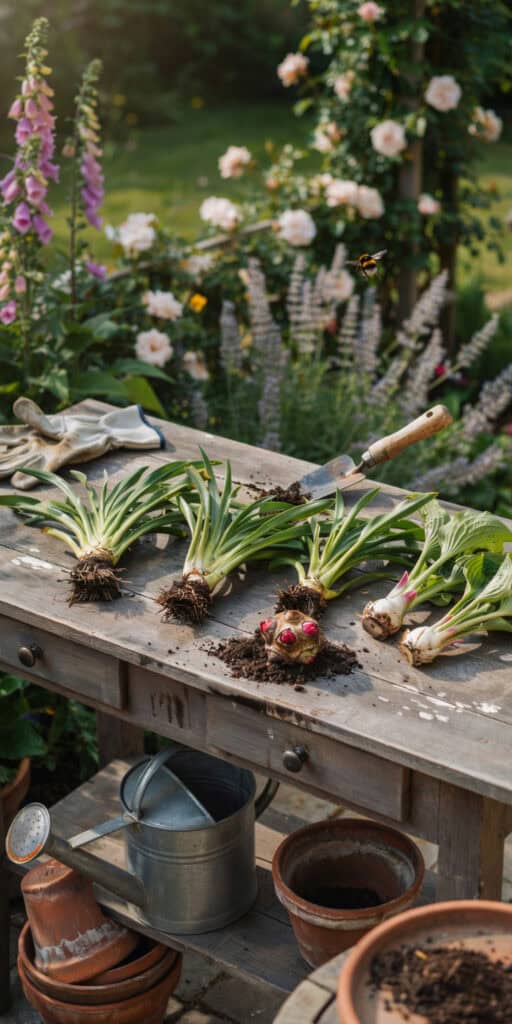
Hostas — The Queen of the Shade Garden
Every grandma had a shady corner of the yard that nothing seemed to want to grow in. And in that corner, without fail, there were hostas.
Hostas are the plant the gardening world underestimates. People think of them as boring — just leaves, no flowers. But anyone who has seen a mature hosta clump knows the truth: they are spectacular. Big, bold, architectural, and virtually maintenance-free.
Why they’re almost impossible to kill:
- Thrive in deep shade where almost nothing else will grow
- Extremely cold hardy (zones 3-9)
- Get dramatically larger and more beautiful every year
- Rarely need dividing (but divide easily when you want more)
- Drought tolerant once established
What they need: Shade or part shade. Direct hot afternoon sun will scorch the leaves. Otherwise? Plant them and walk away.
The frugal angle: A single hosta clump will double in size every year or two. Divide in spring when the spikes are just emerging from the ground — each division grows into a full plant. One $12 hosta from the garden center can become ten plants within a few years.
Design tip: Mix hosta varieties for a layered shade garden look — big blue-green ones in the back, smaller variegated ones up front. This pairs beautifully with the layering approach covered in the grandma garden cottage design post.
Creeping Phlox — The One That Turns Your Yard Pink Every Spring
If you’ve ever driven past a house in April and done a double-take because the entire front slope looked like it was covered in a pink cloud — that was creeping phlox.
This low-growing ground cover is one of the most dramatic early-spring bloomers you can plant, and it is genuinely one of the toughest plants in existence. It spreads slowly and steadily, filling in slopes, spilling over rock walls, and cascading over the edges of raised beds in a way that looks completely effortless.
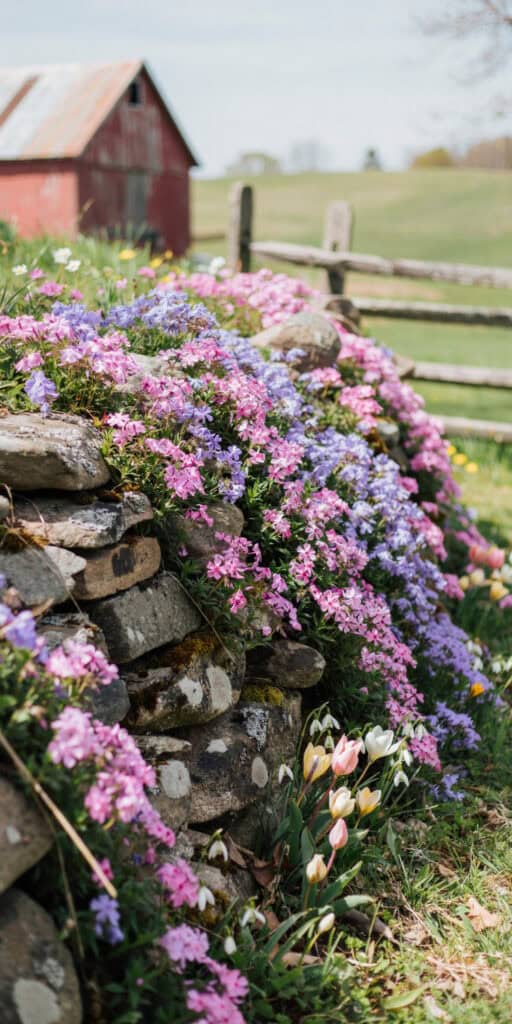
Why it’s almost impossible to kill:
- Extremely cold hardy (zones 3-9)
- Drought-tolerant once established
- Spreads on its own to fill gaps
- Evergreen in mild winters (stays green all year in zones 5+)
- Virtually no pest or disease problems
What it needs: Full sun to light shade, well-drained soil. It actually prefers poor, lean soil — rich soil makes it leggy rather than compact and floriferous.
The frugal angle: One flat of creeping phlox planted along a slope will spread to cover that entire slope within 3-4 years without you doing anything. Compare that to mulching that same slope every year, and the math is obvious.
Design tip: Creeping phlox is spectacular planted at the top of a retaining wall or along the front edge of a raised bed, where it can spill downward. If you’re working on raised bed design, the garden layout ideas for small spaces post has great ideas for incorporating ground covers like this.
Lily of the Valley — The One With the Scent You Never Forget
Close your eyes and think about spring at Grandma’s house. There’s a good chance one of the first things that comes to mind is a smell — sweet, green, delicate, unmistakably floral. That was lily of the valley.
This tiny plant punches so far above its weight it’s almost unfair. The blooms are small white bells, the foliage is clean and bright green, and the fragrance is one of the most beloved scents in the entire plant world. And it spreads. Oh, does it spread?
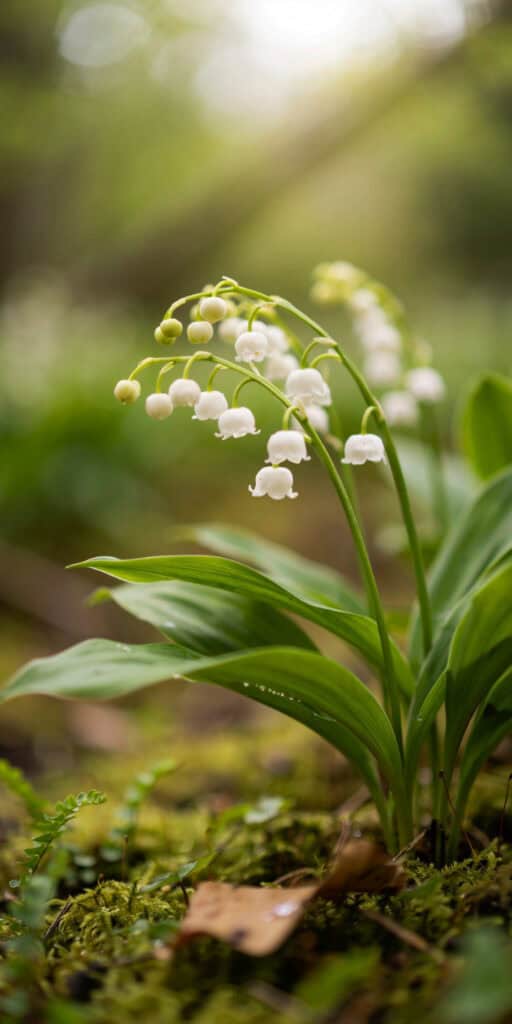
Why it’s almost impossible to kill:
- Thrives in deep shade (one of the few truly shade-loving ground covers)
- Extremely cold hardy (zones 2-9)
- Spreads aggressively via underground runners
- Needs essentially zero care once established
- Returns faithfully every single spring
What it needs: Shade or part shade, consistent moisture. It does not love hot dry conditions, so a shaded spot with decent soil is ideal. It’s also worth knowing it’s toxic if ingested — keep that in mind if you have small children or pets in the garden.
The frugal angle: Lily of the valley is one of those plants where you buy a small handful of pips (the little root starts) once and never spend money on it again. It fills in shade areas where grass won’t grow and where mulch costs money every year. Plant it once under a tree and let it do its thing.
A Few More Grandma Garden Classics Worth Mentioning
These didn’t make the main list but absolutely belong in a grandma garden — and they’re all just as tough:
Bleeding Heart — Romantic, arching stems with heart-shaped pink or white blooms in early spring. Shade-tolerant and cold-hardy. Goes dormant in summer so pair it with hostas to fill the gap.
Black-eyed Susan — Cheerful yellow and brown wildflower native to North America. Spreads by self-seeding, drought tolerant, and pollinators go absolutely wild for it.
Coneflower (Echinacea) — Purple, pink, or white daisy-like blooms all summer long. Self-seeds freely, drought-tolerant, and the seedheads feed birds through winter if you leave them standing.
Catmint — Soft lavender-blue blooms on silvery-green mounding plants. Blooms in early summer, cut it back and it blooms again in fall. Extremely drought-tolerant and deer-resistant.
Sweet William — Old-fashioned biennial with clusters of spicy-scented blooms. Self-seeds so freely it behaves like a perennial. Grandma always had it tucked somewhere.
If you want to keep the pollinator-friendly, low-maintenance theme going in other parts of your yard, the post on plants that repel mosquitoes covers several hardy herbs and flowers that overlap beautifully with this list.
How to Get These Plants for Almost Nothing
Here’s the part I really want you to hear: you do not need to buy all of these at the garden center at full price. In fact, Grandma almost certainly didn’t buy most of her plants at all.
Ask before you buy. Post in a local Facebook garden group or neighborhood app. Say you’re looking for peony divisions, daylily starts, or hosta clumps. People with established gardens are always looking to thin things out and will give you plants for free.
Shop the end-of-season sales. Garden centers discount perennials 50-75% in late August and September. The plants look rough but they establish perfectly and come back gorgeous the following spring.
Start some from seed. Black-eyed Susans, coneflowers, and catmint all grow easily from seed. A $3 seed packet gives you dozens of plants. Get your indoor seed starter setup going in late winter and start them early for a head start on the season.
Trade with neighbors. Once you have established clumps of daylilies or hostas, divide them and trade with other gardeners for varieties you don’t have yet. This is how grandma built her entire garden — and it costs nothing.
The Bottom Line
Grandma wasn’t a master gardener. She was a smart one.
She chose plants that asked for almost nothing — no fussing, no replacing, no expensive inputs — and let them do what they were designed to do. Come back. Spread. Multiply. Fill the yard with beauty year after year without a single trip to the garden center.
That’s not just good gardening. That’s frugal living at its finest.
Pick two or three plants from this list, get them in the ground this season, and then get out of their way. Ten years from now, you’ll have a yard full of flowers — and you’ll barely remember planting them.
Just like grandma’s.
Want more frugal garden inspiration? Browse all the Grow Your Own posts for seasonal gardening ideas that won’t break the bank.
 The Grandma Garden: How to Grow a Cottage-Style Flower Garden on a Budget
Leave a Reply