


Two weeks ago, the weather reached near the 50s, and in Upstate New York, that is so refreshing after a long winter. Every year the girls and I go to our local library, and I gather up any gardening books that look appealing and start planning my vegetable garden.
This year I want to add some perennials since we have only lived here a couple of years. You know the slow progress of landscaping a yard, you want to add so many plants right away, but with a short growing season and a budget, I can only add so many each year.
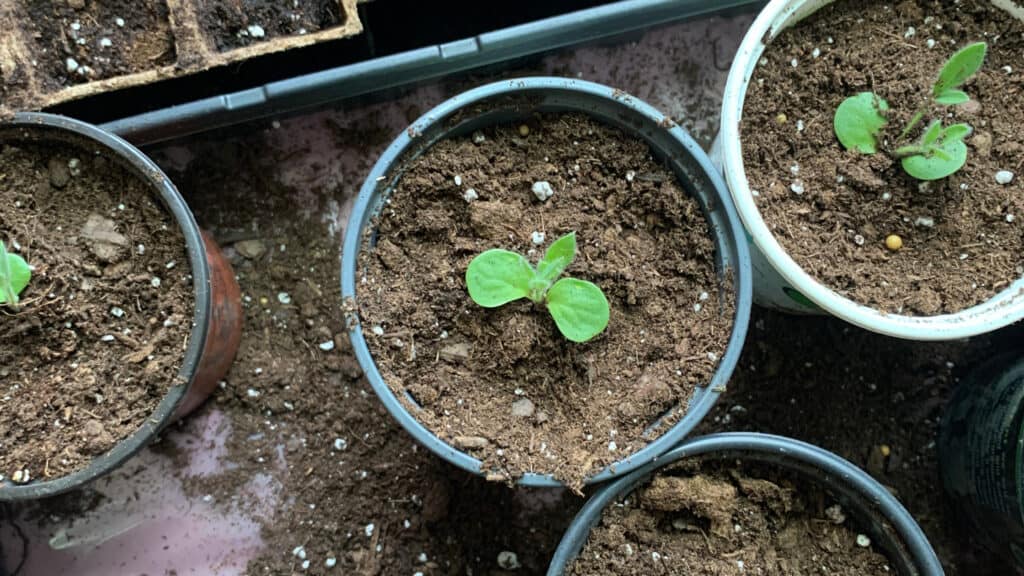
Starting seeds is a fantastic process. I love sharing the experience of planting a seed and watching it grow to harvest. The best part is sharing the experience with your children.
Now that my kids are five and seven, we had a pretty smooth time starting our seeds. If you want to grow a variety of vegetables or even flowers, starting seeds indoors is a great frugal way to do so.
Starting seeds indoors allows me to grow enough to sell on the road feed my family and animals. Since we are getting a second mini pig in a couple of weeks, I knew I had to plant extra veggies this season.


Related:
WHERE TO BUY SEEDS
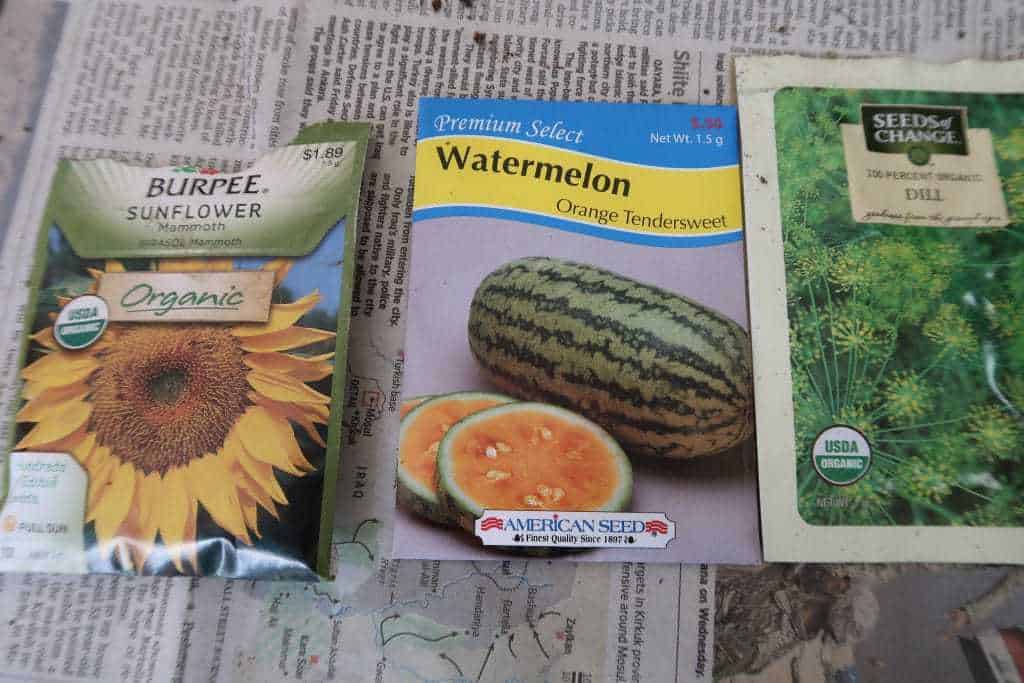
Every year I take advantage of Home Depot’s Buy One Get One Free sale. It usually starts at the end of March or Early April. I have always had success with Burpees Organic Seeds. I buy my marigold seeds at Dollar Tree, usually 25¢ a pack.
I’ve also started buying all my flower seeds at Dollar Tree and now grab as many veggies when they hit the shelves. Dollar Tree typically starts putting their seeds out at the beginning of February in upstate NY.
Check your local library for a seed library. It’s become quite popular and you can go in and grab free seeds!
I love planting marigolds around my tomato plants in the garden.
This year I got a head start because the winter feels never-ending, and BJ’s has two different Organic Seeds of Change seeds on sale. Each packet I got for $1.59, which is a great price. Most of these at other retailers are $3 or $4 a pack.
I have had success with these seeds, and there is a guarantee they will grow statement on these. Can’t go wrong there! Organic Seeds of Change seeds could be your best bet if it’s your first time starting seeds indoors.
After starting seeds indoors for so many years now and through trial and error, I see a better result with Burpee Organic Seeds and Organic Seeds of Change. The Dollar Tree seeds have been working just as well. I was nervous when I started growing seeds and went with Organic. Whatever fits your budget, I used the Dollar Tree Seeds in 2020 and 2021 and had success.
For us frugal folks, even spending $30 or $40 on seeds, and they don’t take off, makes us disappointed. This is why I want to go with what I know has grown in my garden before well.
You will easily spend $3-$5 a plant at your local nursery or home improvement store. But, when you look at that cost to how many seeds you get in a pack for the same price, seeds will save you money on your garden.
WHAT YOU NEED
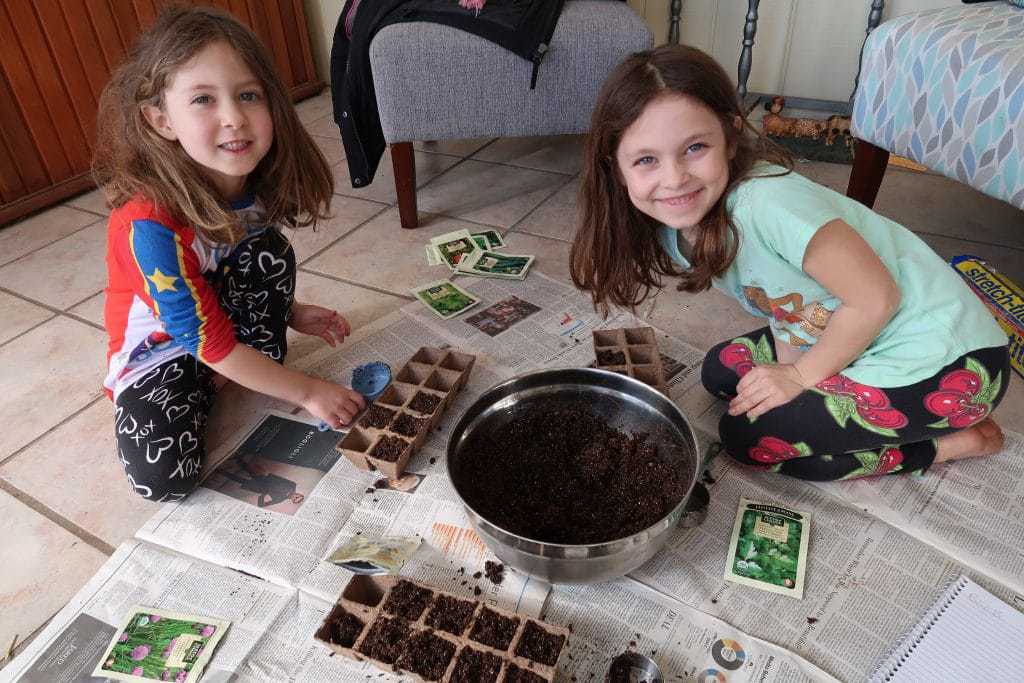
You do not need much to start seeds. You can spend as much or as little as you want. You don’t need anything fancy.
What we use:
- A big mixing bowl
- Jiffy Seed Starting Soil
- Containers for seeds
- Seeds
- Measuring Cups
- Warm Water
This is the first year I started my seeds inside, literally. The kids and I always did it outside in the past, but our winter is super cold and long this year. So we set down the newspaper and filled up our seed cups.
The soil is so important when it comes to starting seeds. You want light soil rather than a rich potting mix. If you want to save money, you can try making your seed starting soil mix here.
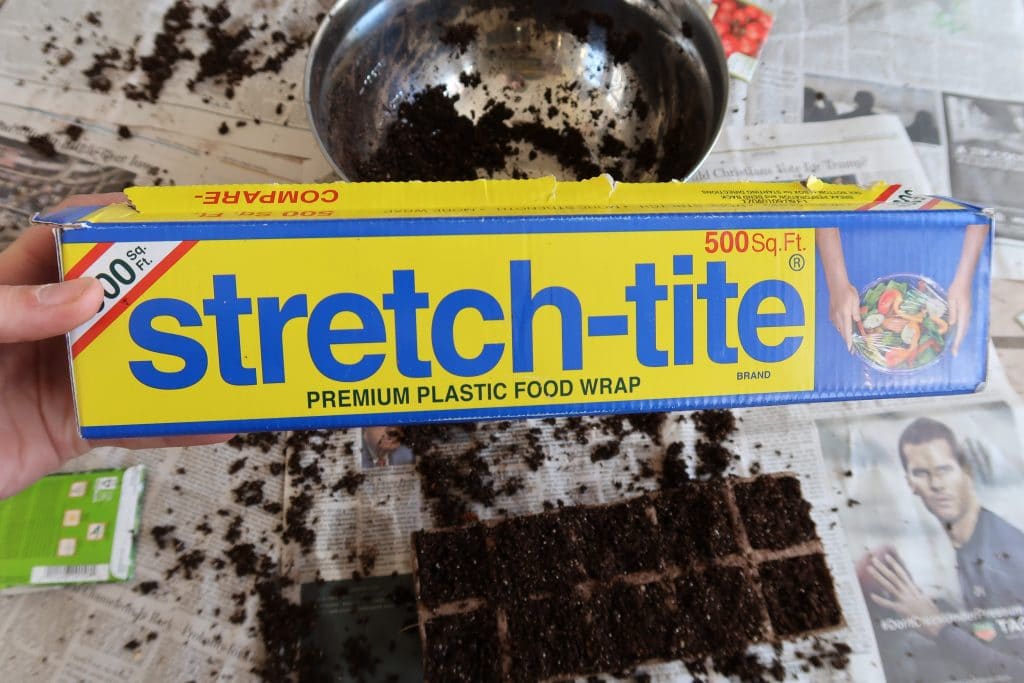
The only brand of plastic wrap I use is Stretch tite. Of course, I get it for a sweet deal at BJ’s. If you get frustrated with plastic wrap, switch to this brand, and you’ll never look back.
HOW TO PLACE YOUR SEEDS IN THE SOIL
Steps:
First, add the seed starting soil to the mixing bowl.
Then add hot water. We did two cups for a 10 cup bowl.
Let the kiddos use their hands and mix it up. This way, you can tell how wet the soil is.
You don’t want it too wet, just enough it starts to stick together.
Fill whatever seed cups you are using to the top with soil. I like to press down the ground and get any air out. The kid’s little adorable fingers are perfect for pressing a hole in the center.
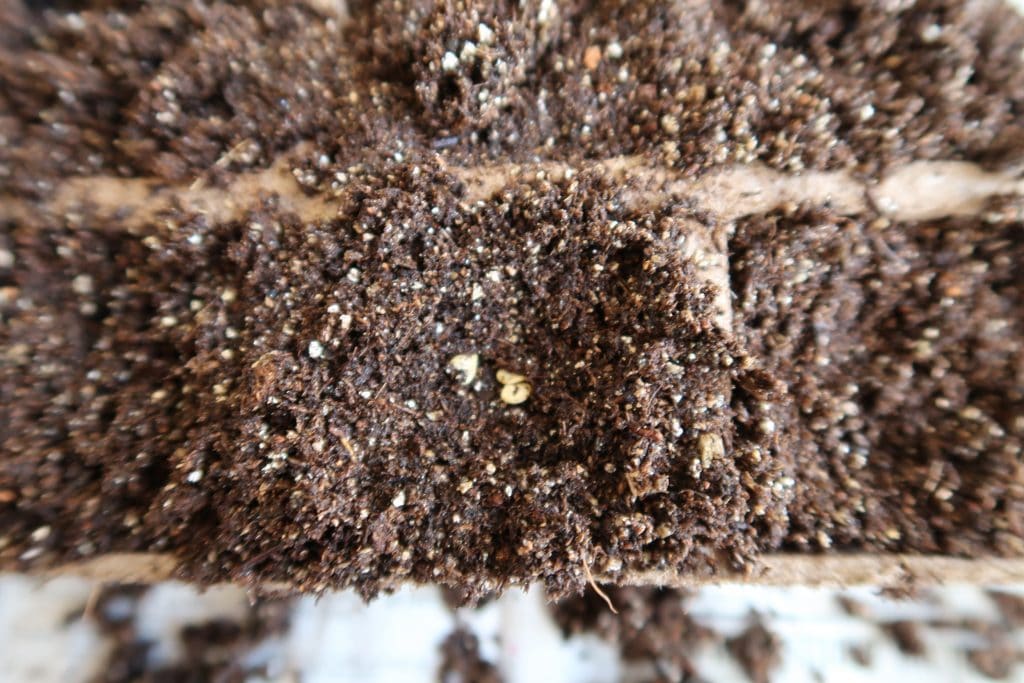
I’ve always dropped 3 or 4 seeds into each hole. Be sure your spot is not too deep. If your seeds are too deep, they may not get enough energy to sprout. Always check the back of your seed packet, as they will tell you specifics.
When in doubt, don’t plant your seed deeper than its diameter. This is where you will need to help the younger kiddos.
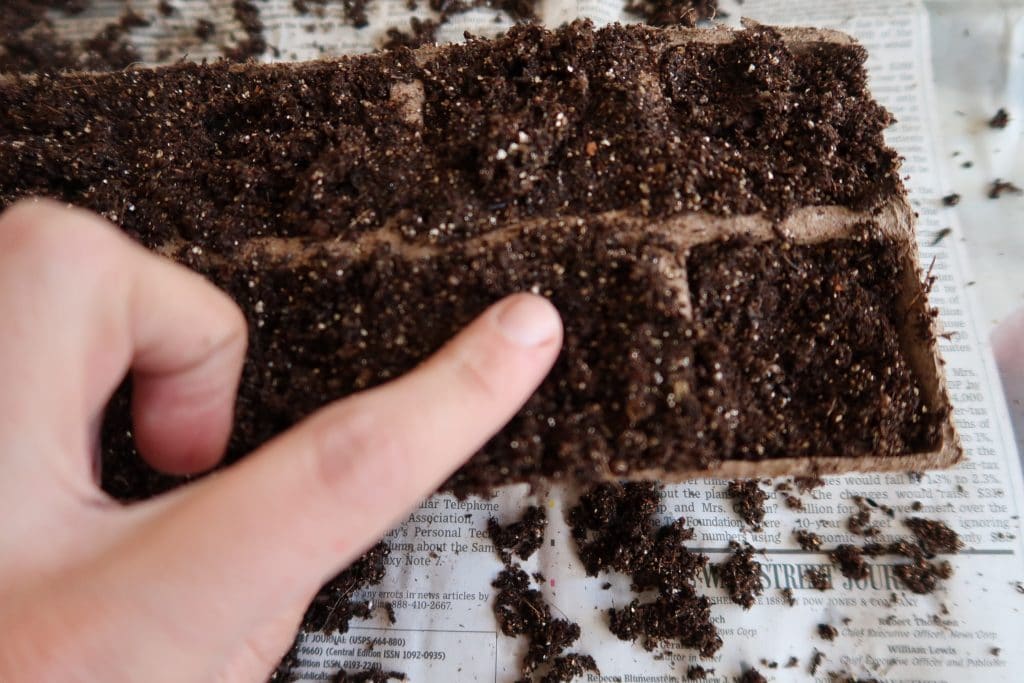
Gently roll the dirt back over the top or sprinkle some dirt on top of the hole.
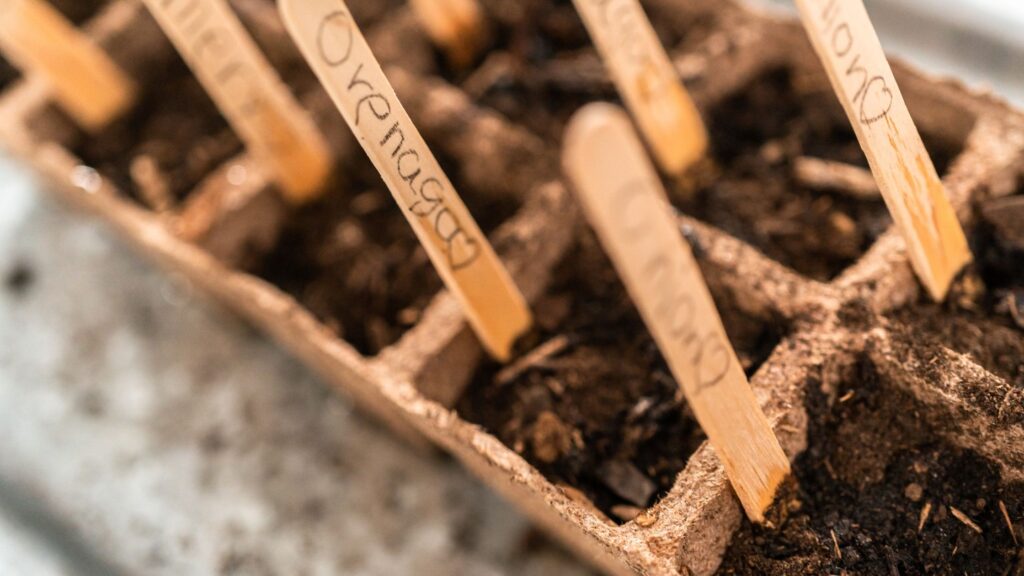
Label the sides of your seed cup
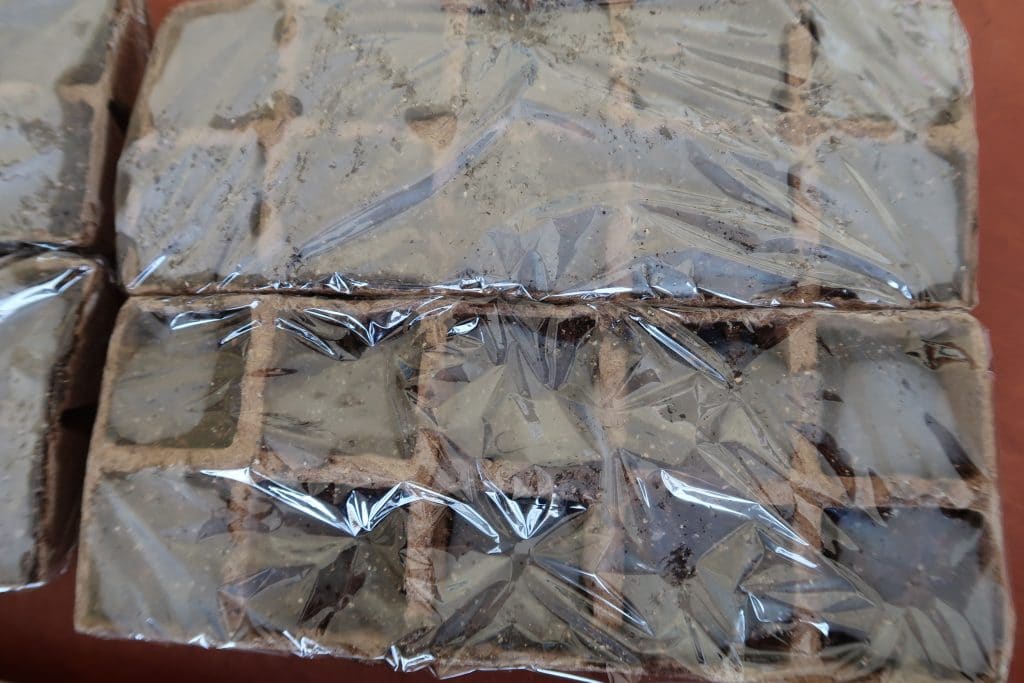
Use plastic wrap and place it in a warm sunny spot.
Once the seeds start to sprout, you can remove the plastic.
Then you will need to water on an as-needed basis.
I did a few Tiktok Videos on how I start my seeds below.
WHERE TO KEEP YOUR SEEDS
I have kept my seeds on top of the fridge in the past. It worked to get the seeds started, and the kitchen had enough light. However, once I removed the plastic, I placed it under a skylight window in our bedroom.
With our farmhouse now, I start my seeds and leave them on the top of the hot tub. There is a ton of light, and the hot tub keeps them toasty. Once they sprout, I place them in our atrium window in the kitchen.
You may not have any of these same conditions, but I encourage you to scope out a place that would work well for your seeds.
Keep in mind they need three things: sun, food, and water. Most seeds required 75-degree F to germinate. I’ve seen people start their seeds in a milk jug container and cover and put them outside as long as they get direct sunlight.
At this time of year, having direct sunlight is essential.
If this is not an option in your home, you can still save money with seeds and use a heating pad just for seeds.
I prefer to keep my seeds at 65-70 degrees.
It’s important to rotate your tray of seeds. Especially if yours are near a window, south-facing is preferred, and you can always buy an artificial grow light.
Just watch the height and light of your seedlings. Always have the light as close as you can without touching the seeds.
You can check out my frugal container ideas for starting seeds here.
Since I’m in zone 6b, here’s a seed starting schedule.
Seed Starting Schedule for Zone 6b
Week 1-2 (10-12 Weeks Before Last Frost)
Start Indoors:
- Onions and Leeks: These slow-growers need all the time they can get. Sow thinly in trays and keep under grow lights.
- Celery and Celeriac: Surface-sow these light lovers and mist gently. Keep them warm and moist (about 70-75°F).
Pro Tip: Invest in a seed-starting mix—it’s lighter and sterile, helping your seedlings thrive. Your garden soil? It can sit this one out.
Week 3-4 (8-10 Weeks Before Last Frost)
Start Indoors:
- Broccoli, Cabbage, and Cauliflower: Your favorite cole crops love a cool start. Sow about 1/4-inch deep and give them steady light to avoid leggy stems.
- Slow-Growing Herbs: Parsley, oregano, and thyme are the stars here. Be patient—some can take up to three weeks to sprout.
Equipment Must-Have: A basic heating mat keeps soil consistently warm and speeds up germination.
Week 5-6 (6-8 Weeks Before Last Frost)
Start Indoors:
- Tomatoes and Peppers: These warm-weather divas love the spotlight. Keep their seeds under grow lights, and don’t rush them into the cold outdoors.
- Eggplants: Start these now to give them a healthy head start. They’ll thank you later when they’re loaded with fruits come summer.
Outdoors (if soil is workable):
- Cold-Hardy Flowers: Snapdragons and pansies can handle light frosts. Sow them directly in your flower beds for early color.
Helpful Resource: First time starting seeds indoors? Check out this step-by-step guide to make it a breeze: How to Start Seeds Indoors.
Week 7-8 (4-6 Weeks Before Last Frost)
Start Indoors:
- Kale, Chard, and Spinach: These leafy greens thrive in cooler temps. Sow indoors now, so they’re transplant-ready for your spring garden.
- Petunias and Marigolds: Add some cheer with early flowers. These brighten up any garden and are easy to grow.
Direct Sow Outdoors:
- If the ground has thawed, start carrots, radishes, and peas. These tough veggies can handle some chill and germinate while the soil is still crisp.
Week 9-10 (2-4 Weeks Before Last Frost)
Start Indoors:
- Cucumbers, Zucchini, and Summer Squash: Seed these now for transplants to thrive once the frost danger is over.
- Basil: This warm-weather herb loves a head start and does best when the sun is shining.
Outdoors (Weather Permitting):
- Hardy Greens: Direct sow lettuces and arugula. They’ll grow quick and make for tasty early salads.
Pro Tip: If you haven’t labeled your seedlings yet, stop reading and go do it now. You don’t want a “mystery plant” situation down the line—trust me on this one.
Week 11-12 (Frost-Free and Beyond)
Direct Sow Outdoors:
- Beans and Sweet Corn: These heat seekers thrive when the soil warms up. Plant them as soon as the frost date passes.
- Sunflowers and Zinnias: Bring the drama with tall flowers by direct sowing them now.
Transplant Outdoors:
- All your indoor starts—think tomatoes, peppers, and eggplants—can finally head outside. Just make sure you’ve hardened them off first.
Hardening Off Tips: Start with a couple of hours in a shady spot outdoors, then increase their exposure to sunlight each day for about a week. They’ll adjust better to outdoor life this way.
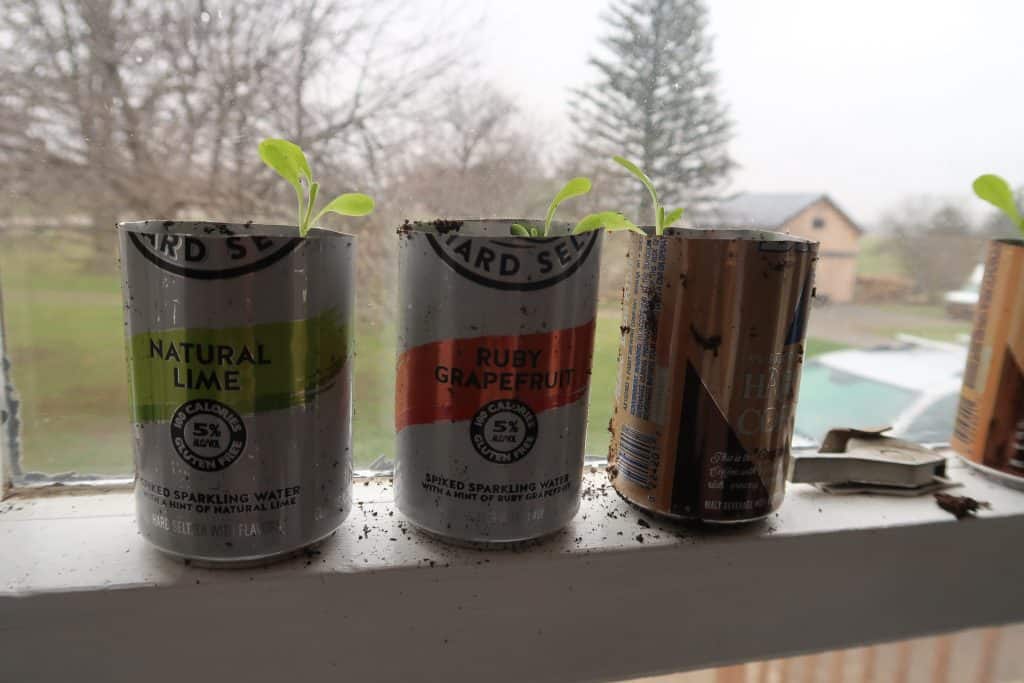
Here are more Frugal Tips To Start Seeds Indoors
- Use leftover plastic garden containers you previously bought flowers in. Or save yours from this upcoming season to start seeds in.
- Egg cartons are a great way to start seeds indoors.
- Label your containers. Don’t think you will remember like I have done so many times in the past and then can’t!
- Use Yoplait Kids Plastic Cups/ or any other item in your kitchen to start your seeds indoors.
- Use Plastic wrap over each of your homemade containers until your seed sprouts to keep in the warmth.
- Use Seed Starting Soil Mix– it’s lighter. The other stuff may work or it may not. Being frugal is not having to spend more money because we tried to save money and go the cheap route 😉
- Be careful with watering. You won’t need to water at all while you have the plastic wrap on. You will want to mist the plants because as they sprout they are not strong. After my years of seeds and knowing I can easily over water I put all my pots into a tray and then pour water into the bottom of the tray. So the plants take in the water from the bottom.
- I use warm water to mix in with my seed starting soil.
- Seeds sprout best at temperatures of 65 to 75°F (18 to 24°C).
- You must keep only one plant in each pot. When I started I thought it was a waste to just kill off one plant when I had two perfectly growing. It is a must now. Just clip the others down. Keep the one that is the straightest and looks the best.
- Enjoy! It is amazing to watch the whole process and enjoy the harvest!
 Dippity Pig Syndrome Symptoms
At my YMCA where they have a preschool, they placed the seeds in a clear 18 gallon tote with the lid. It appears that their plants did really well. I think I am going to try it.
That’s a great idea! Let us know how it goes!