


When I first started raising chickens, I pictured mornings with a warm cup of coffee, collecting a basket full of fresh eggs while the sun rose over the barn.
And for a while, it was exactly that.
The hens scratched around pecking the roosters’ beaks, the kids helped gather eggs, and it all felt like the simple farm life I’d always dreamed about.
But no one really talks about what happens 8-10 years down the road — when those same hens that once gave you six eggs a week start slowing down. When you’re spending more on feed than you’re getting back in eggs. When the dream starts to look a little different, and you have to face some hard truths about homesteading that no one warned you about.

When the Eggs Stop Coming
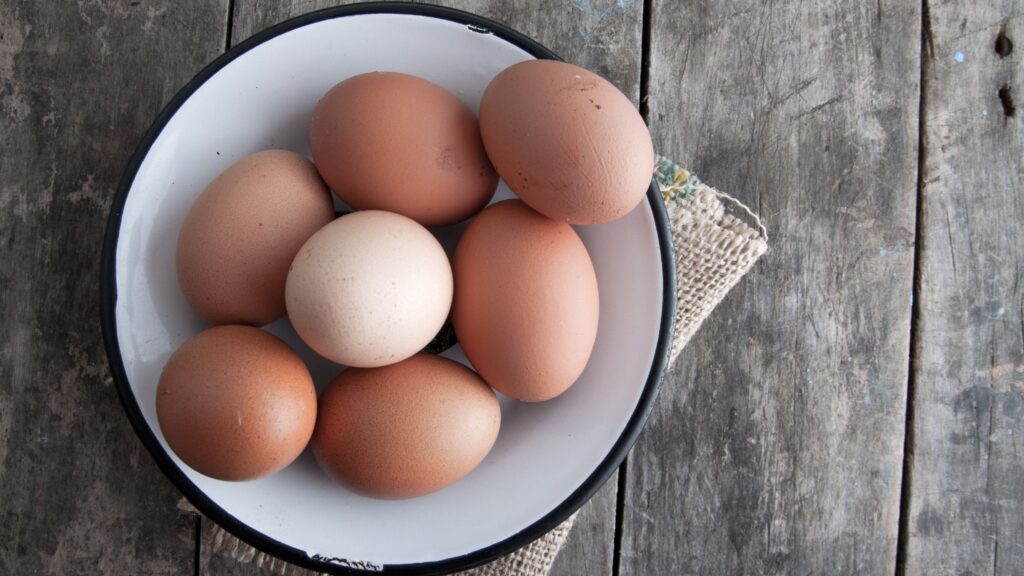
Most chicken breeds hit their peak egg production in the first two years. After that, the decline starts slowly — a few less here and there — until one morning, you realize you’re collecting barely enough to cover breakfast.
You tell yourself, “They’ve earned their keep. I’ll just keep them until the end.”
But then feed prices rise. You’re scooping feed every morning for hens that haven’t laid an egg in months. And if you’re like me, you start to feel torn — between your heart and your wallet.
They’re not just livestock anymore; they’re part of your daily routine, your rhythm, your peace. Letting go isn’t easy. But when you’re trying to live frugally and sustainably, sometimes the numbers don’t lie — and that’s where the emotional side of homesteading hits hardest.
This is where I’m at currently. I’ve reduced our flock from 22 down to 10, and they are going on three years. We are only getting four eggs a day, if that. I start to think, do I want to start all over with chicks when the kids aren’t going to be checking in on them as much, or as excited? Then I know I have to wait weeks before we get the eggs.
I said to my husband I think I’m ready to buy eggs from down the road.
The Reality of Culling
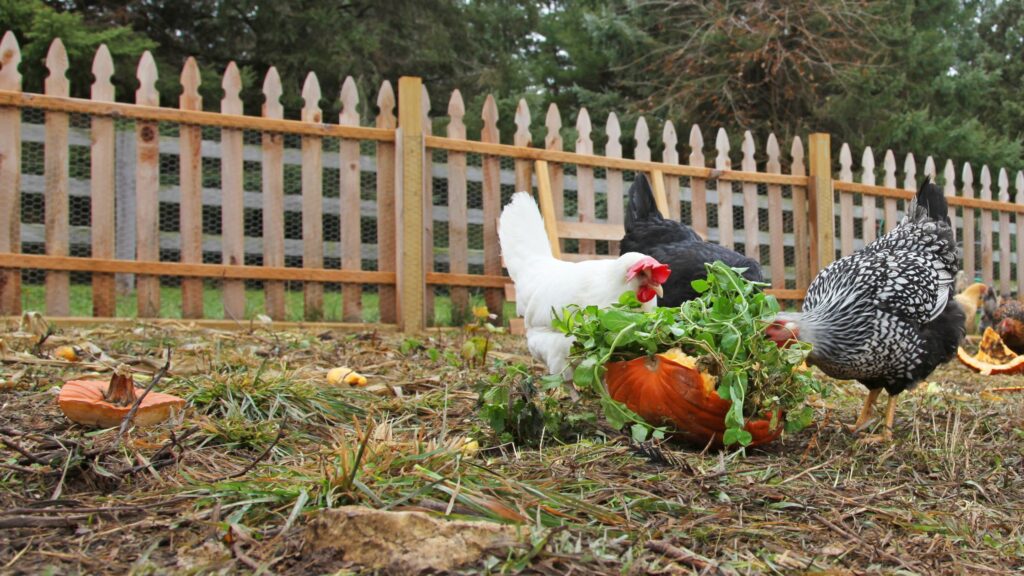
“Culling” sounds harsh. It’s one of those words you hear in homesteading circles but don’t fully understand until you’re staring at your first older hen and wondering what to do next.
For some, it means rehoming. For others, it means harvesting the bird for meat.
But when you’ve raised them from chicks, watched them follow you around the yard, and named half of them after your favorite TV characters — it’s not just a “farm decision.” It’s an emotional one.
And here’s the truth no one tells you: the meat from older hens isn’t much. It’s tough, and unless you have a dual-purpose breed, there’s not enough to make it worth the time and mess of butchering.
We always end up just grinding the older hens, but when your kids are older and involved in all these activities. Your job is to run them from here to there, spending an evening after working all day to cull a few chickens for a couple of pounds of ground meat is just not as enticing as it was in our 20s and 30s.
When I was younger, that process didn’t faze me. But as I’ve gotten older, and the kids are teenagers now — life feels fuller, busier, and I’ve found myself asking, “Is this really worth it?”
Sometimes, the most practical choice is also the one that hurts your heart a little.
I created a dedicated section in my Backyard Chicken Planner to help you track bird health, processing dates, and flock turnover. Having a plan doesn’t make the hard days easy, but it keeps you organized and focused on giving your flock the best life possible while they are under your care.
When Homesteading Meets Midlife
Homesteading in your 20s and 30s feels different than in your 40s.
Your energy changes. Your reasons change. Your helpers grow up.
The kids who used to chase chickens through the yard now have jobs, practices, and friends. And suddenly, you’re the one doing most of the chores again — only this time, your back hurts a little more, and the idea of butchering six hens in one afternoon feels like climbing a mountain.
There’s a quiet ache that comes with realizing you can’t do it all like you used to.
Not because you’ve failed, but because seasons change — in the garden, in your flock, and in your life.
Sometimes I catch myself standing by the coop, remembering the chaos of those early days when the kids were small and everything on the homestead felt like an adventure. Now it’s quieter. Still good, but different.
No one talks about that part either — how homesteading can make you confront not just your limits, but the passing of time.

The Cost of Keeping Chickens “Forever”
It’s easy to romanticize the idea of a lifelong flock. But the reality is, chickens grow old. They get sick. They need more care.
And while it feels wrong to put a price tag on animals you love, feed, bedding, and your time all add up.
The “free eggs” everyone jokes about? They’re anything but.
It’s one of those hidden costs of homesteading — not just in money, but in emotions. You feel guilty thinking about replacing your hens. You feel wasteful when you don’t. And that internal tug-of-war can make even the simplest chores feel heavy.
There’s no easy answer here — only the truth that every homesteader has to find their balance between practicality and compassion.
Letting Go Without Losing the Dream
If you’re at that stage — where the coop feels more like a responsibility than a joy — I want you to know it’s okay.
You’re not giving up on homesteading by simplifying it. You’re evolving with it.
Maybe that means rotating your flock every few years.
Maybe it means keeping just a few hens for companionship.
Or maybe it means stepping back entirely and focusing on gardening, preserving, or another part of your homestead that still excites you.
I’ve learned that living a frugal, sustainable life doesn’t mean you have to do everything all the time.
It means finding what still feels meaningful — even when the rest starts to feel heavy.
So if you’ve been beating yourself up for buying store-bought eggs, or not wanting to process another batch of chickens — give yourself some grace. You’re still living simply. You’re still doing it right. Just differently than before.
The Unspoken Truth
Homesteading has seasons — just like the land we work.
Some seasons are about building and growing. Others are about letting go.
The quiet truth is, this life isn’t always pretty. Sometimes it’s muddy, heartbreaking, and filled with hard choices. But it’s real.
And that’s what makes it worth it.
So to every midlife homesteader out there standing in a half-empty coop wondering what’s next — you’re not alone.
You’re just entering a new season, one where wisdom replaces hustle, and peace matters more than production.
And maybe, just maybe, that’s the most beautiful part of all.
🌿 Related Posts You Might Like:
- How to Survive Chicken Molting
- How to Start Homesteading on a Budget
- 25 Frugal DIY Homestead Projects
- Simple Tips for Freezing Fresh Produce
 How to Plan a Stress-Free, Budget-Friendly Christmas on the Farm (With a Planner You’ll Actually Use)
Leave a Reply